
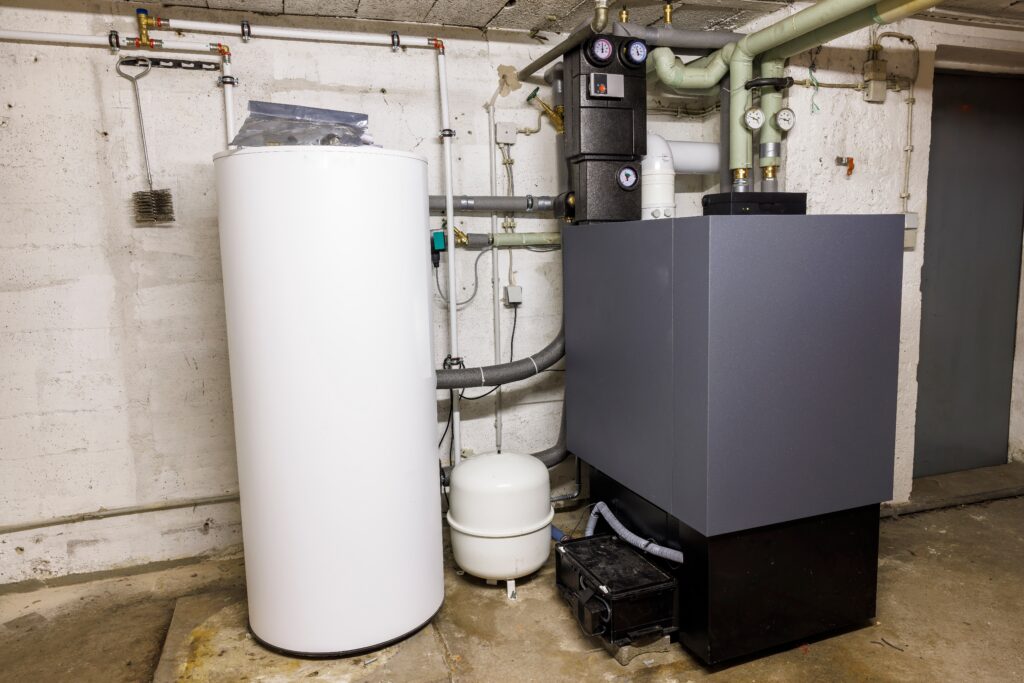
Temperatures in Litchfield County, CT, can drop below freezing before you know it, making proactive fall HVAC maintenance essential for maintaining comfort, safety, and energy savings. It usually involves a thorough inspection, cleaning, and tune-up of your heating system to help prevent costly breakdowns and extend equipment life.
In this guide, we’ll cover why fall maintenance matters, professional tune-up tasks, do-it-yourself (DIY) checks you can safely perform, and common autumn HVAC problems. Following these seasonal measures ensures your furnace, heat pump, or boiler runs efficiently and keeps indoor air quality high as the chill sets in.
Why Is Fall HVAC Maintenance Essential for Litchfield County Homes?
When September rolls around again, it’s a good idea to give your heating system a little attention before the cold really settles in. A quick tune-up that includes cleaning components, tightening up controls, and making sure the safety features are working goes a long way.
Around here in Litchfield County, that means fewer surprises when the temps drop, lower energy bills, and cleaner air in the house. You can always bring in a pro for the full checkup, but even a few simple DIY tasks now can save you from a headache and a big heating repair bill when winter is in full swing.
Key Benefits of Fall HVAC Maintenance
Fall HVAC maintenance delivers four primary advantages:
- Enhanced indoor air quality: Replacing filters and clearing dust from ductwork removes allergens and pollutants before winter circulation.
- Extended system longevity: Inspecting and lubricating moving parts prevents wear, extending furnace and heat pump lifespans by several years.
- Improved energy efficiency: Cleaning heat exchangers and coils reduces heat transfer resistance, lowering utility bills.
- Increased safety: Testing carbon monoxide detectors and checking flue systems prevents dangerous leaks or fire hazards.
These benefits combine to protect both your comfort and budget.
How Does Litchfield County’s Fall Weather Impact Your HVAC System?
Litchfield County’s crisp mornings and sudden temperature swings place unique stress on heating systems. Early frosts and higher humidity levels can encourage corrosion in outdoor coils, while fluctuating temperatures lead to repeated start-stop cycles that strain motors and controls. Recognizing this local pattern highlights why fall tune-ups must address refrigerant levels, drainage paths, and electrical connections before winter’s steady demand sets in.
How Fall Maintenance Improves Indoor Air Quality and Safety
Fall maintenance enhances indoor air quality by replacing air filters, cleaning air handler components, and inspecting duct seals to prevent the circulation of dust and mold. Testing carbon monoxide detectors and verifying burner combustion settings safeguards against dangerous gas buildup. Together, these measures ensure that as your heat runs more often, the air remains clean and every flue path remains clear of hazards.
Fall HVAC Maintenance Tasks Every Homeowner Should Know
Professional fall HVAC maintenance tasks demand specialized skills and tools to inspect, clean, and calibrate your heating system. Certified technicians follow detailed protocols to detect hidden faults, optimize performance, and certify safety controls before the first cold snap.
What Does a Comprehensive Furnace Tune-Up Typically Include?
Below is a breakdown of key furnace tune-up components.
How Is Heat Pump Maintenance Performed in the Fall?
Heat pump fall maintenance includes refrigerant charge verification, coil cleaning, and reversing valve checks to ensure efficient heat transfer. Technicians measure superheat/subcooling, clear debris from the outdoor unit, and test defrost cycles. Checking thermostat calibration and reversing valve operation maximizes heating mode performance while avoiding unexpected breakdowns when temperatures plunge.
Why a Professional Ductwork Inspection Is Important Before Winter
A professional ductwork inspection identifies leaks, disconnected joints, and mold or moisture damage that reduce heating efficiency and degrade air quality. Sealing leaks with mastic or metal tape and reinforcing insulation on exposed runs ensures conditioned air reaches every room without loss. Properly sealed ducts can boost system output and improve overall comfort.
When Should You Schedule Boiler and Heating System Inspections?
Ideally, homeowners in Litchfield County should schedule boiler and heating system inspections in late September or early October, before heavy use begins. Early-fall timing lets technicians address minor issues at a time when service availability is highest and avoids emergency calls during seasonal surges. Planning maintenance ahead of the first frost ensures uninterrupted warmth when you need it most.
What DIY Fall HVAC Maintenance Can Litchfield County Homeowners Safely Perform?
DIY fall HVAC maintenance tasks allow you to handle quick checks and basic upkeep without specialized tools, saving time and supplementing professional services.
Replace or Clean Your HVAC Air Filters
This is perhaps the easiest task you can do. You should check your air filters every 30 days during the fall and replace or clean them when they’re visibly dirty or according to the manufacturer’s guidance. Maintaining clean filters supports airflow, prevents coil frost-ups, and sustains energy-efficient operation throughout the heating season.
Simple Outdoor Unit Maintenance Tasks
Homeowners can clear leaves, twigs, and debris from around the outdoor condenser or heat pump to prevent airflow restrictions. Gently clean coil fins with a soft brush and straighten bent fins with a fin comb. Cover the unit with a breathable cover only after a professional tune-up to protect against winter debris while avoiding moisture buildup.
Test and Maintain Your Carbon Monoxide Detectors
Press the test button on your carbon monoxide detectors monthly to verify alarm function and replace batteries twice yearly, ideally at daylight-saving time changes. Wipe sensor vents with a microfiber cloth to remove dust, and replace any detectors older than five years. These steps help detect dangerous gas leaks before they pose a risk.
Adjust Your Thermostat Settings for Fall Efficiency
Set your programmable thermostat to lower the temperature by 5 to 7 degrees during unoccupied hours or overnight to conserve energy. You can also use “smart” thermostat learning features to automate setback schedules and monitor system performance reports. Consistent minor adjustments reduce utility bills without sacrificing comfort and seamlessly transition into winter settings.
The Most Common Fall HVAC Problems in Litchfield County and How You Can Spot Them
Recognizing common fall HVAC problems early allows you to take corrective action before minor issues develop into costly headaches.
How To Identify Dirty Air Filters and Their Impact on Heating Efficiency
Dirty air filters appear visibly discolored and restrict airflow, resulting in uneven heating, frozen coils, or increased energy consumption. Look for dust accumulation on filter surfaces and increased fan runtimes. Replacing clogged filters restores airflow and reestablishes efficient heat distribution throughout the home.
Causes of Furnace Ignition Issues and How They’re Resolved
Furnace ignition failures often result from a dirty flame sensor, a faulty ignitor, or a malfunctioning gas valve. Symptoms include repeated ignition attempts or a clicking pilot light without flame. Professional cleaning of the sensor, testing ignition components, and adjusting gas pressure resolve these faults, ensuring reliable heating startups.
How To Detect Refrigerant Leaks in Heat Pumps and Air Conditioners
Low refrigerant manifests as reduced heat output, ice buildup on coils, or hissing noises near refrigerant lines. An HVAC technician will use electronic leak detectors and perform pressure tests to pinpoint leaks. Repairing leaks and recharging with the correct refrigerant charge restores optimal heat-pump performance.
What To Do If Your HVAC System Makes Strange Noises or Has Uneven Heating
Unusual rattling, grinding, or whistling sounds can signal loose components, failing motors, or airflow obstructions. Uneven room temperatures often indicate duct leaks or balance issues. Turn off the system and schedule an inspection. Addressing mechanical faults and rebalancing airflow channels corrects noise and temperature inconsistencies.
The Best Time To Schedule Your Fall HVAC Tune-Up
Aim to book your tune-up in late September or early October, and after pollen season but before freezing nights arrive. Early scheduling secures timely service slots and prevents urgent calls when demand surges closer to winter.
What Information Should You Have Ready Before Scheduling Maintenance?
Gather details such as your system make and model, serial number, age of your equipment, last service date, and filter type. Providing this information enables a technician to arrive prepared with the correct parts and tools for an efficient fall HVAC maintenance visit.
Final Thoughts
Maintaining your heating system early pays dividends in comfort, safety, and cost savings as temperatures drop. By combining professional fall HVAC maintenance with simple DIY checks, you’ll keep your Litchfield County home warm and efficient all season long. Trust PlumbTech LLC’s certified team to deliver reliable service and schedule your tune-up today for peace of mind before the first frost arrives. Don’t wait—ensure your home is ready for winter by contacting us now.