
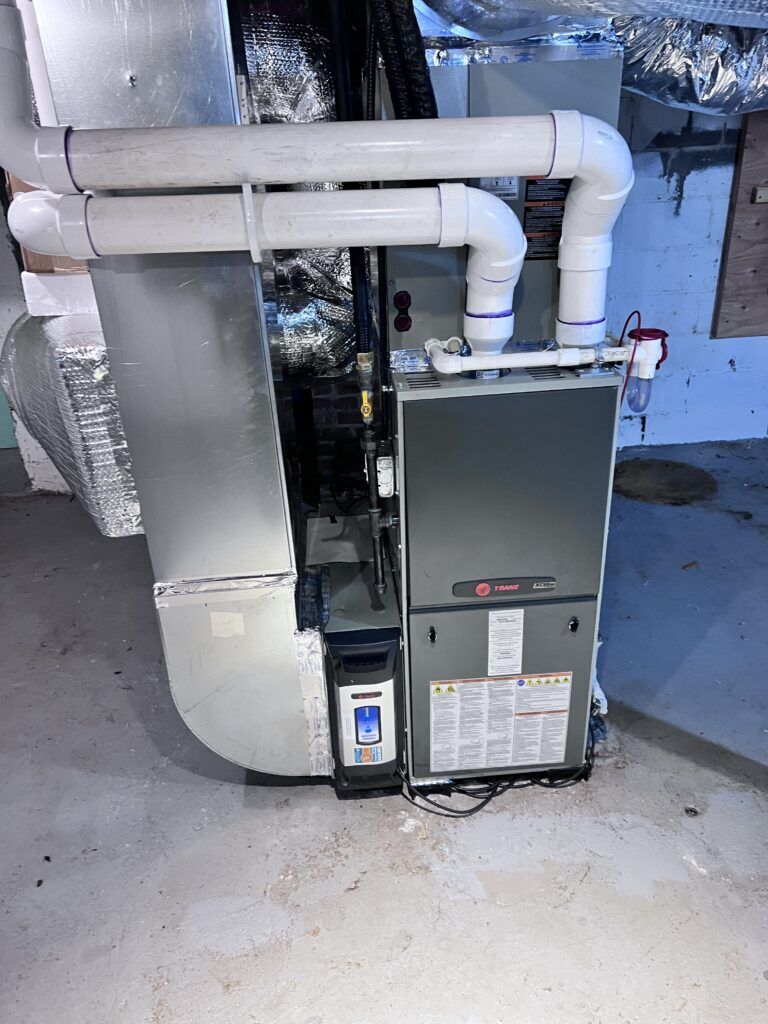
Troubleshooting heating systems means methodically identifying why a furnace, boiler, or heat pump isn’t delivering warmth and applying safe, evidence-based fixes before calling a technician. This guide shows homeowners practical heating system troubleshooting methods, explains common failure modes in furnaces, boilers, heat pumps, and thermostats, and highlights when a professional inspection is the right next step. Taking a staged approach — safety checks, simple DIY repairs, and documented symptoms — helps you save time and reduce repair costs while avoiding hazards like gas leaks or electrical faults. Throughout this article you’ll find direct how-to checks, prioritized diagnostic lists, and decision cues for when to stop DIY and schedule a professional service, all designed to improve system reliability and energy efficiency. The sections cover furnace cold-air causes, boiler no-heat diagnostics, heat pump performance checks, thermostat troubleshooting, a consolidated common-problems table, and guidance on when to call an HVAC technician.
Why Is My Furnace Not Blowing Hot Air?
A furnace that runs but blows cold air is typically responding to control, airflow, or ignition failures and is best approached by checking thermostat settings, filters, and electrical protection first. Start by confirming the thermostat is set to heat with a setpoint above room temperature; incorrect mode or programming is the simplest cause and often the quickest fix. Next, inspect airflow components such as the air filter, return vents, and blower operation since restricted airflow or a failed blower can make the system run without delivering warm supply air. Finally, consider ignition and safety devices — a failed pilot, electronic ignition fault, or a tripped breaker can stop heating even when fans run.
After these checks, if warm air still doesn’t appear or you detect gas odor or persistent ignition errors, stop DIY and document exact symptoms for a service call.
How Do Thermostat Settings Affect Furnace Heating?
A thermostat controls mode, temperature setpoint, and fan behavior, and incorrect settings are a common reason for a furnace not blowing hot air. Ensure the unit is set to “Heat”, the programmed schedule isn’t overriding demand, and the setpoint is at least a few degrees above room temperature to call for heat. For battery-powered or smart thermostats, weak batteries, a lost Wi-Fi connection, or software schedules can prevent the furnace from receiving a reliable call for heat. If recalibrating or replacing batteries doesn’t restore normal operation, record error codes or app logs and proceed to wiring checks or replacement.
Correctly diagnosing thermostat issues often resolves perceived furnace failures and prevents unnecessary service calls, which then leads you to inspect airflow and ignition components if problems persist.
What Are the Signs of a Dirty Air Filter Causing Reduced Airflow?
A dirty air filter reduces airflow, forces the blower to work harder, and can make supply air feel cool despite normal furnace operation. Visual signs include a visibly darkened filter, dust buildup on register grilles, and reduced airflow at supply vents; replacement intervals typically range from one to three months depending on system use and indoor air quality. Restricted airflow can trigger high-limit switches that shut off burners or cause the heat exchanger to overheat, creating safety concerns and efficiency losses. If replacing the filter restores airflow but symptoms recur quickly, inspect ductwork, returns, and consider professional airflow diagnostics to check blower motor performance and static pressure.
Regular filter maintenance restores efficiency, reduces wear on blower motors, and is a key preventative step before investigating ignition and control system faults.
What to Do When Your Heat Pump Is Not Heating Properly?
Heat pump behavior differs from combustion systems; apparent “no heat” conditions can be due to normal defrost cycles, low refrigerant, airflow restriction, or control issues, so start by understanding typical operational patterns. During cold outdoor conditions, an air-source heat pump periodically enters a defrost cycle which temporarily reduces delivered heat while preventing ice buildup; recognizing the cycle prevents unnecessary troubleshooting. Check outdoor unit clearance, coil cleanliness, and indoor airflow to rule out simple obstructions that reduce capacity, and verify thermostat mode and setpoint for correct heating operation. If the heat pump runs continuously without achieving set temperature, gather runtime and temperature differential data which helps determine whether the issue is refrigerant-related, undersized equipment, or a control mismatch.
A focused set of checks helps differentiate temporary behavior from lasting faults and guides whether a certified technician should test refrigerant charge and electrical controls.
How Does Refrigerant Level Affect Heat Pump Performance?
Refrigerant carries heat between indoor and outdoor coils; low refrigerant levels reduce heat transfer leading to ice on coils, reduced capacity, and longer runtimes as the system struggles to meet demand. Observable signs include frost or ice buildup on the outdoor coil, a drop in suction pressure on the service gauges, and noticeable loss of warmth at supply registers, any of which suggest a leak or undercharge. Because refrigerant handling requires certified technicians and specific tools, homeowners should power down the system to avoid compressor damage and record symptoms for the service visit. A technician will locate leaks, repair piping as required, and recharge to proper factory charge to restore heat-pump efficiency and protect refrigeration components.
Recognizing refrigerant symptoms early prevents compressor failure and supports a quicker, more cost-effective repair when professionals intervene.
Why Is My Heat Pump Running Constantly and How Can I Adjust It?
Constant runtime often signals a mismatch between system capacity and load, thermostat control issues, or restricted airflow that prevents the heat pump from reaching set temperature efficiently. Start by confirming thermostat settings, fan control, and whether the system is sized appropriately for the home; excessive runtime in mild conditions can indicate a control or calibration issue rather than a refrigerant failure. Clear debris from the outdoor unit, replace filters, and check supply/return registers to improve airflow and reduce continuous operation caused by poor heat exchange. If runtime remains excessive after these checks, log temperature differentials and cycle data for the technician to evaluate compressor performance, defrost control timing, and potential need for system adjustment.
Collecting objective runtime and temperature data before a service call helps the technician diagnose whether the solution is a control tweak, duct/airflow repair, or larger equipment adjustment.
How to Troubleshoot Thermostat Not Working in Heating Systems
Thermostat failures manifest as no call for heat, short-cycling, or incorrect temperature reporting; troubleshooting focuses on power, wiring, calibration, and smart-device behaviors. Start with simple checks: confirm display is powered, replace batteries if applicable, and ensure the thermostat is set to heat with an appropriate setpoint. For wired thermostats, inspect visible terminal wiring for loose connections and check the HVAC breaker or fuse to confirm control power; for smart thermostats, verify Wi-Fi and app connectivity and review scheduled overrides. If the thermostat seems unresponsive after power and wiring checks, a factory reset or recalibration may restore normal operation, but persistent errors or mismatched temperature sensing often justify replacement.
Keeping a short log of error codes, app alerts, and whether the furnace or heat pump responds to manual override will speed professional diagnosis if needed.
What Are Common Thermostat Issues and How to Fix Them?
Common thermostat problems include dead batteries, incorrect mode selection, loose wiring, and software or schedule conflicts on smart units; each has a straightforward first-line fix. Replace batteries annually or when the display dims, confirm mode = heat, and temporarily set the thermostat to a higher setpoint to test basic control signals. For wiring issues, turn off power and inspect the low-voltage terminals for loose wires or corrosion; tighten connections carefully and document wire labeling for a technician if problems persist. Smart thermostats may benefit from a factory reset and reinstallation of schedules and Wi-Fi credentials; if software errors continue after reset, replacement with a compatible model is often more cost-effective than repair.
Documenting observed behavior and any error messages during these checks helps professionals identify root causes more quickly if you escalate the repair.
When Should You Replace Your Thermostat?
Replace a thermostat when age, recurring malfunctions, incompatibility with modern HVAC controls, or the desire for improved efficiency outweigh repair costs. Signs that replacement is sensible include persistent sensor drift, frequent battery or wiring problems, inability to interface with modern heat-pump controls, or when a programmable or smart unit would offer meaningful energy savings. Consider upgrading if your system uses sophisticated staging, variable-speed equipment, or if remote scheduling and learning features will improve comfort and efficiency. When replacing, select models compatible with your heating system type and document wiring and power sources to ensure a smooth installation by either a knowledgeable DIYer or a technician.
A timely thermostat upgrade can both resolve control failures and contribute to measurable energy savings and comfort improvements.
What Are the Most Common Heating System Problems and How to Address Them?
Across furnaces, boilers, and heat pumps, the most frequent problems include pilot/ignition failures, airflow restrictions, electrical faults, refrigerant leaks, low water pressure, and mechanical noises; prioritizing safety and simple restoration steps is key. Start by addressing any safety hazards such as gas smells, water leaks, or electrical burning odors; then pursue basic restorative actions like replacing filters, resetting breakers, or restoring proper pressure. For mechanical or refrigerant-related issues, collecting symptom data (noise, pressure, temperature differentials) before a technician visit speeds diagnosis and avoids unnecessary parts replacement.
How Do Pilot Light and Ignition System Failures Affect Heating?
Pilot and ignition systems provide the initial flame or spark that allows burners to heat air or water; failures here cause total loss of heat or intermittent operation. Older systems with a standing pilot require safe relighting procedures and careful gas checks, while modern systems use electronic ignition modules that often offer a reset button but may signal deeper control failures when resets fail. If you smell gas at any time, evacuate the area and contact emergency services; do not attempt to relight pilots or manipulate gas valves yourself in that scenario. When safe to proceed, follow manufacturer relighting steps once and document any faults before scheduling professional service for repeated ignition problems.
When Should You Reset Circuit Breakers for Heating System Issues?
Resetting a tripped breaker can restore power to controls, blowers, and pumps, and is an appropriate first response when a system is entirely unresponsive; follow a safety-first procedure. Before resetting, turn off the HVAC system at the thermostat, visually inspect the breaker panel for obvious issues, then switch the tripped breaker fully off and back on; if the breaker trips again immediately or under load, do not persist. Repeated trips indicate an electrical fault such as a short, failed motor, or improper wiring and require a qualified HVAC technician to diagnose safely. Document breaker labels and the circumstances of trips (e.g., during startup, under heavy load) to speed professional diagnosis.
When Should You Call an HVAC Technician for Heating System Repairs?
Call a licensed HVAC technician when symptoms indicate safety risk, persistent failures after basic DIY checks, or when repairs require specialized tools or certifications such as refrigerant handling or gas service. Red flags that require a pro include the smell of gas, visible water leaks from heating equipment, repeated electrical trips, refrigerant leaks, noisy mechanical failures, or sustained loss of heating despite proper thermostat settings and filter maintenance.
What Safety Precautions Should Homeowners Take Before DIY Troubleshooting?
Always prioritize safety by turning off power to HVAC equipment at the breaker, shutting off gas to appliances when trained to do so, and using basic personal protective equipment such as gloves and eye protection as needed. Avoid opening sealed combustion components or refrigeration lines, and do not attempt refrigerant recovery or recharge since those tasks are regulated and require certification. If you detect a gas odor, evacuate immediately and contact emergency responders rather than attempting DIY fixes, and if there is active water leaking from heating equipment, isolate electrical power to avoid shock hazards. Keeping a checklist of actions taken, symptoms observed, and any error codes will help technicians diagnose and repair the system more efficiently.
How to Recognize Problems Requiring Professional HVAC Service?
Recognize technician-needed symptoms by looking for persistent error codes, mechanical noises that suggest failing bearings or compressors, visible leaks, gas odors, or repeated electrical breaker trips that indicate deeper faults. If basic maintenance like filter replacement, thermostat resets, and breaker resets do not restore normal operation, plan a professional inspection and capture details like compressor run times, pressure or temperature readings, and the sequence of failure events. A professional inspection typically includes a full safety inspection, component testing (electrical, combustion, refrigeration), system cleaning and calibration, and a written estimate for repairs or replacements.

