
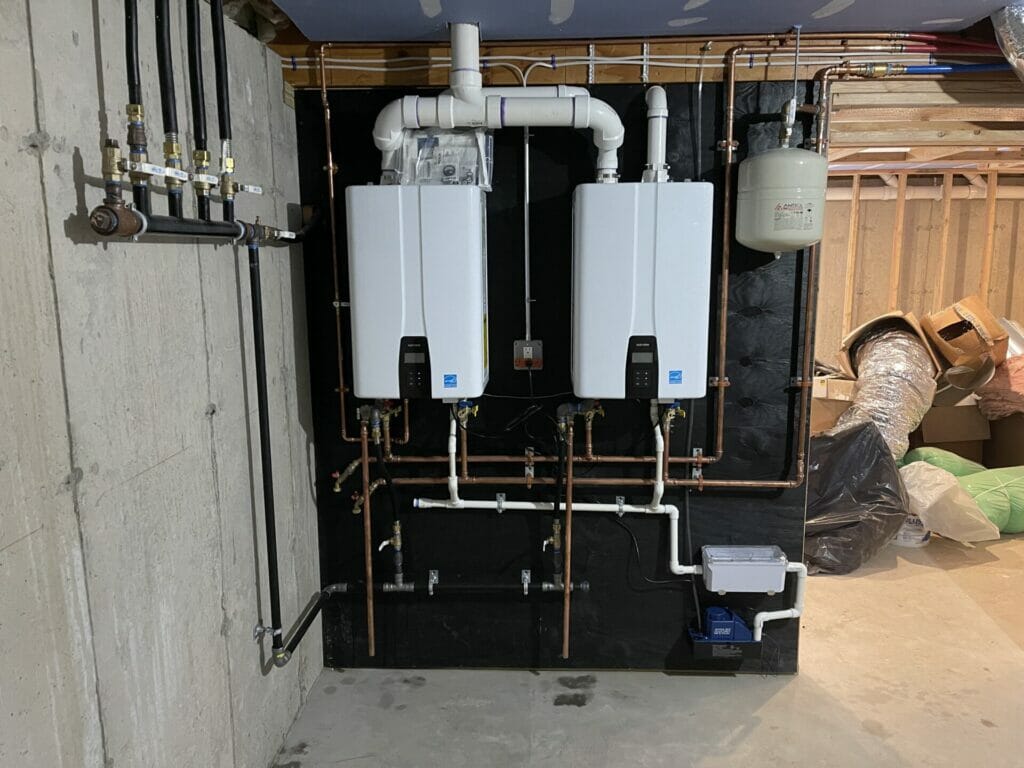
A residential boiler is a centralized heating appliance that heats water or creates steam to warm living spaces and supply domestic hot water, and residential boiler systems explained here will help you choose the right type for comfort and efficiency. Boilers transfer heat through a heat exchanger and circulate warm water or steam via radiators, in-floor tubing, or baseboards, producing steady, controllable heat while reducing cold spots in a home. Homeowners benefit from boilers because they offer durable, even heating and, when sized and maintained correctly, can deliver strong performance with efficient fuel use. This guide explains types of residential boilers, practical maintenance and troubleshooting, typical installation costs, and why high-efficiency condensing boilers can lower bills and emissions. Read on for clear comparisons, maintenance checklists, cost breakdowns, and efficiency insights so you can make informed decisions about boiler sizing, service, and upgrades.
What Are the Main Types of Residential Boilers?
Residential boiler systems are categories of heating equipment that differ by how they generate and deliver heat, and understanding types of residential boilers helps homeowners match a boiler to their hot-water and space-heating needs. Boilers work either as combi units that provide on-demand hot water, system or conventional models that pair with storage cylinders, or condensing units that recover heat from flue gases to improve AFUE ratings. The immediate benefit is choosing the design that best balances hot-water demand, space requirements, and fuel availability for a given house.
How Do Combi, System, Conventional, and Condensing Boilers Differ?
Combi, system, conventional, and condensing boilers differ primarily in hot-water delivery, space needs, and how they recover heat, which affects performance and installation complexity. A combi boiler supplies instant domestic hot water from the boiler without a storage tank, producing efficient space savings but potentially limited output when multiple taps run. System boilers use a cylinder to store hot water and handle higher simultaneous demand, making them better for larger families but needing more room for the cylinder. Condensing boilers incorporate a secondary heat exchanger to reclaim latent heat from exhaust gases, raising AFUE and lowering fuel consumption; this mechanism is a core reason many homeowners upgrade for long-term savings.
Which Fuel Types Power Residential Boilers: Natural Gas, Oil, Propane, or Electricity?
Fuel choice—natural gas, oil, propane, or electricity—determines operating cost, installation requirements, and availability implications, so selecting the right fuel is a key decision in “how do residential boilers work” for your home. Natural gas often offers lower running costs where available, while oil and propane are common where gas lines are absent; electric boilers are simpler to install but can be more expensive to run depending on electricity rates. Each fuel impacts venting, burner design, and maintenance needs, and potential fuel conversions add to installation complexity and expense. Understanding fuel trade-offs helps homeowners prioritize initial cost versus long-term operating cost and drives the next discussion on maintenance essentials.
How Can You Maintain Your Residential Boiler for Optimal Performance?
Maintaining a residential boiler improves safety, efficiency, and lifespan by ensuring combustion, controls, and circulation operate correctly, and following boiler maintenance tips prevents common failures. Regular maintenance includes visual inspections, pressure checks, bleeding radiators, and annual professional service to test combustion, flue integrity, and safety controls; these actions reduce the risk of no-heat incidents and leaks. Proper maintenance yields more consistent heat, lower fuel use, and earlier detection of deterioration before it becomes costly.
What Are Essential Boiler Maintenance Tasks and Schedules?
Essential maintenance tasks include monthly pressure checks, seasonal bleeding of radiators, and an annual professional inspection to assess combustion efficiency, seals, and safety devices, which together sustain reliable heating and energy performance. Homeowners benefit from keeping a simple log of pressure readings and any unusual noises or leaks to share with technicians during service visits. Professional annual tasks typically involve burner cleaning, flue and ventilation checks, and verification of safety controls; these actions prevent carbon monoxide risks and maintain AFUE ratings. Following these steps reduces emergency repairs and supports predictable operating costs, which is important when weighing installation or replacement decisions next.
How Do You Troubleshoot Common Boiler Problems Like Leaks and No Heat?
Troubleshooting starts with safe, logical checks: verify thermostat settings, check system pressure, ensure power to the boiler, and inspect for visible leaks or frozen condensate pipes before calling a technician for gas or combustion issues. Low pressure commonly causes no-heat conditions and can often be corrected by repressurizing the system following manufacturer guidance, while circulating pump failures require professional diagnosis. Leaks typically stem from valves, corroded joints, or expansion vessel faults and should be contained promptly to avoid water damage. If you detect gas smells, persistent pilot failures, or combustion irregularities, stop using the system and contact a qualified service provider immediately for safety reasons.
After understanding upkeep and troubleshooting, homeowners researching replacement costs will want transparent pricing guidance and factors that affect installation pricing.
What Are the Typical Installation Costs for Home Boilers?
Typical installation costs for home boilers include the unit price, labor, permits, flue or venting work, controls, and removal of old equipment, and boiler installation cost estimates reflect these components and local labor rates. A realistic cost range varies by boiler type and complexity: straightforward combi replacements are generally less than complete system overhauls that require new piping, venting, or fuel conversion. Important cost drivers are the boiler’s capacity (BTU rating), whether condensation-compatible fluework is needed, accessibility of the installation location, and required permits.
Which Factors Influence Residential Boiler Installation Pricing?
Local installation pricing reflects home size, the required BTU capacity based on heat-loss calculations, fuel availability or conversion needs, and site complexity such as tight access or required structural work. Older homes may need pipe upgrades or radiator work that increases labor, while newer condensing boilers sometimes require additional condensate drainage and flue alterations. Permit requirements and regional labor rates also influence final quotes, so comparing installers on written scopes and included services is essential. These factors directly connect to the next practical topic: choosing the correct size and type for your home.
How to Choose the Right Boiler Size and Type for Your Home?
Choosing the right boiler size involves a professional heat-loss (BTU) calculation so the nominal output matches the home’s heating load, avoiding the inefficiency and cycling that come with oversizing. Fuel type, hot-water demand, and household size influence whether a combi, system, or conventional boiler is best, and condensing models generally offer improved AFUE that can justify higher upfront cost through lower fuel bills. Always request a load calculation and multiple written proposals to compare presented capacities and warranties. A correct match of capacity and boiler type optimizes comfort, efficiency, and lifecycle cost, guiding homeowners toward the most appropriate investment.
Why Choose High Efficiency Residential Boilers?
High-efficiency or condensing boilers recover exhaust heat to maximize useful output and achieve elevated AFUE ratings, which translates to lower fuel consumption and reduced emissions for homeowners focused on long-term savings. Condensing technology captures latent heat from flue gases through a secondary heat exchanger, converting what would be waste into usable thermal energy and improving overall system efficiency. The practical benefits include measurable reductions in fuel use, smoother control of indoor temperatures, and compatibility with modern controls that further enhance performance. Homeowners often recover higher initial costs over time through energy savings, and incentives may apply in some regions to improve payback; a professional assessment clarifies expected ROI.
How Do Condensing Boilers Improve Energy Savings and Reduce Costs?
Condensing boilers improve energy savings by extracting additional heat from combustion exhaust, which raises AFUE compared with non-condensing units and reduces the fuel required to deliver the same heat output. This heat-recovery mechanism directly lowers fuel consumption and operational cost, particularly in systems with lower return-water temperatures where condensation is maximized. Reduced fuel use translates to lower monthly bills and smaller carbon footprint, making condensing boilers a compelling upgrade for efficiency-driven homeowners. Comparing AFUE ratings and expected fuel savings helps estimate the payback period and overall benefit before committing to replacement.
What Are the Benefits of Upgrading to Energy-Efficient Boiler Systems?
Upgrading to an energy-efficient boiler yields concrete advantages: lower energy bills through higher AFUE, improved comfort control from responsive modulation, and potential reductions in maintenance when systems are correctly matched and installed. Efficient boilers also contribute to reduced greenhouse-gas emissions and can enhance resale value when documented with professional installation records. For precise financial planning, request an efficiency assessment and projected savings from installers to compare upfront cost versus long-term operational benefit. A professional evaluation ensures the upgrade matches household patterns and achieves the intended efficiency gains.

